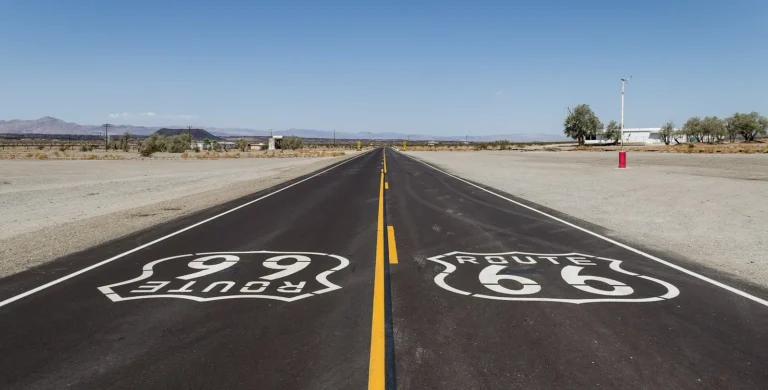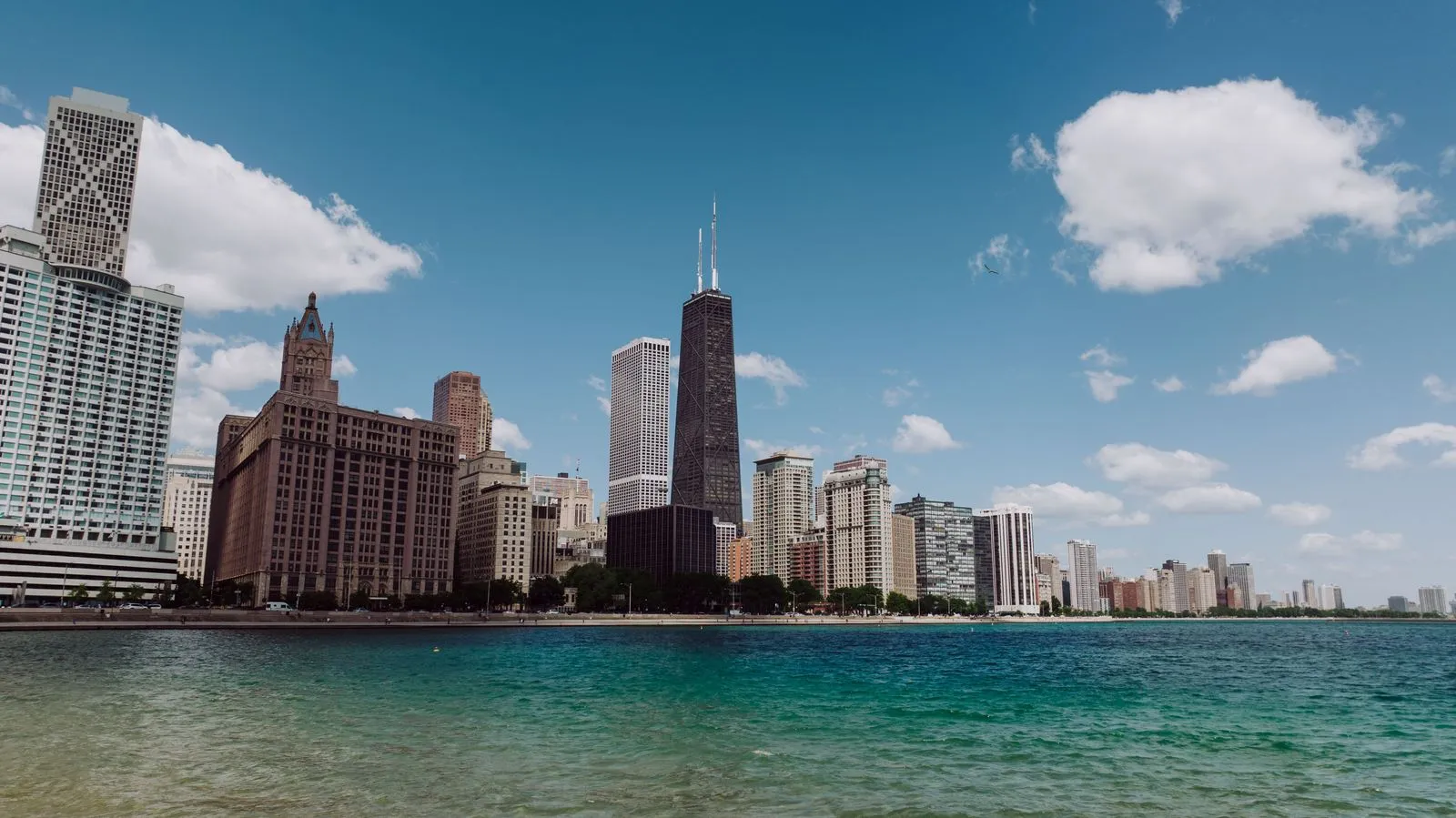
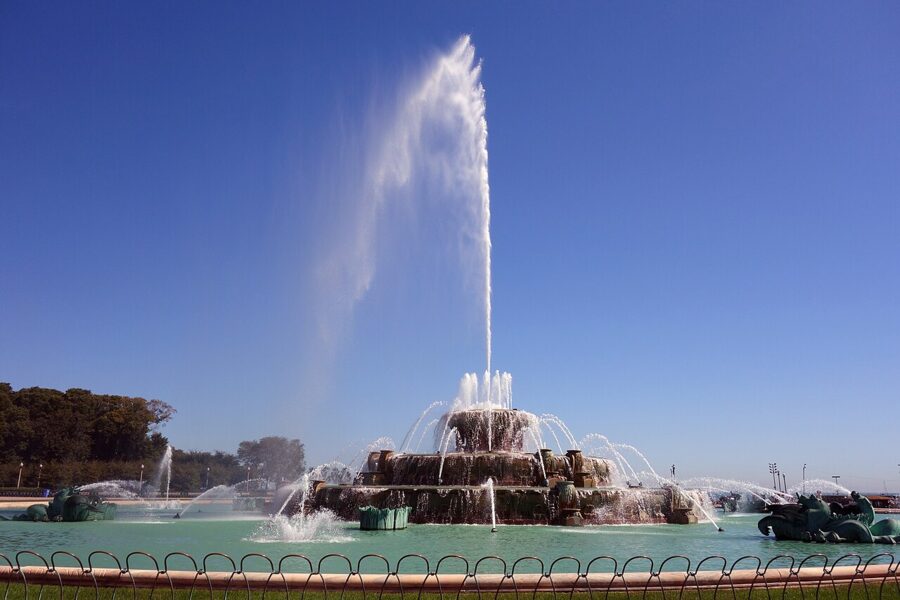
Route 66 starts on a one-way street in downtown Chicago, and the street runs the wrong way for anyone who wants to drive east to the lake. The brown sign that says Begin Historic Illinois U.S. 66 Route stands on Adams Street at Michigan Avenue, across from the bronze lions of the Art Institute, facing traffic that is already heading west. You can photograph it from the sidewalk, wait for the light, and be on the Mother Road before the person behind you has found the horn.
The sign is small, and the block is crowded with buses, cyclists and people taking the same picture. That is the right first impression. Chicago rewards parking the car, and then rewards getting back in it, because the drives out of town along the lake and down the old road to Joliet make some of the best first days a road trip can have.
This year the city added a second beginning. In March 2026, for the route’s centennial, Chicago unveiled a ceremonial Route 66 sign at Navy Pier, so the road now runs, symbolically, from one pier to another: Lake Michigan to the Pacific at Santa Monica. Purists still start on Adams. I would do both, since they are a mile and a half apart and one of them comes with a pancake breakfast nearby.
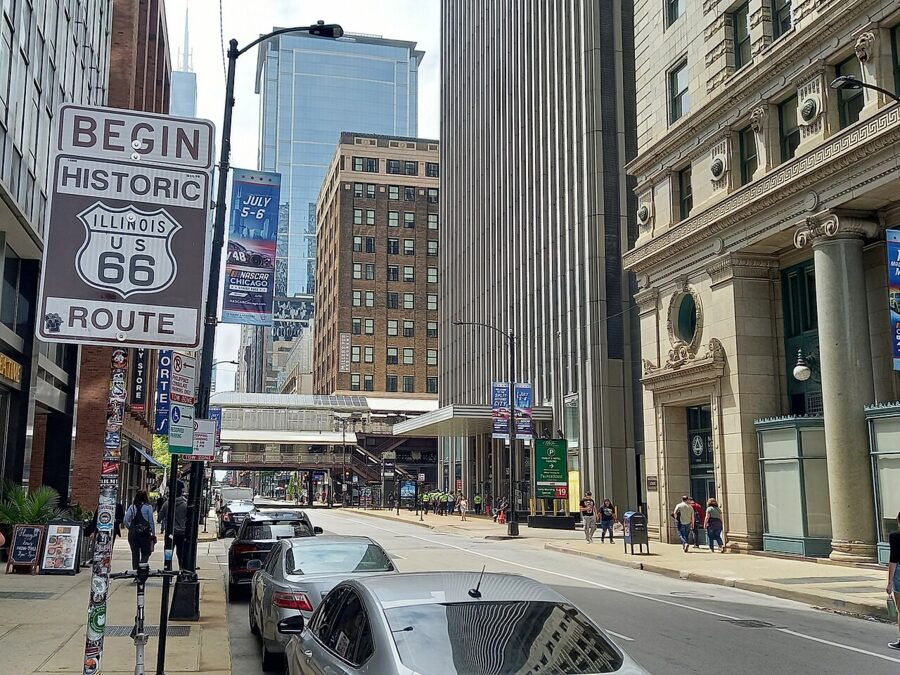
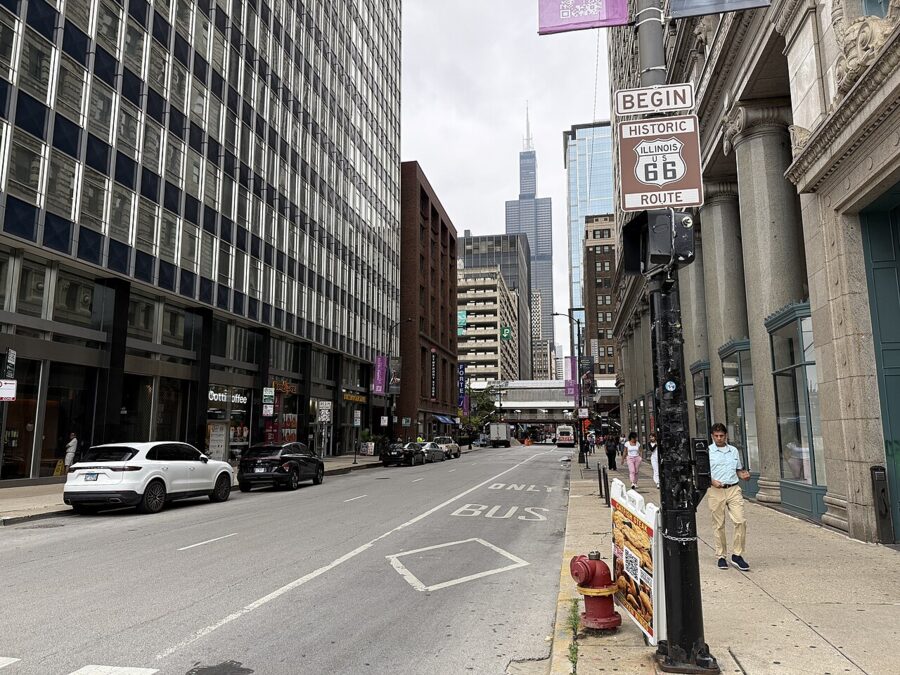
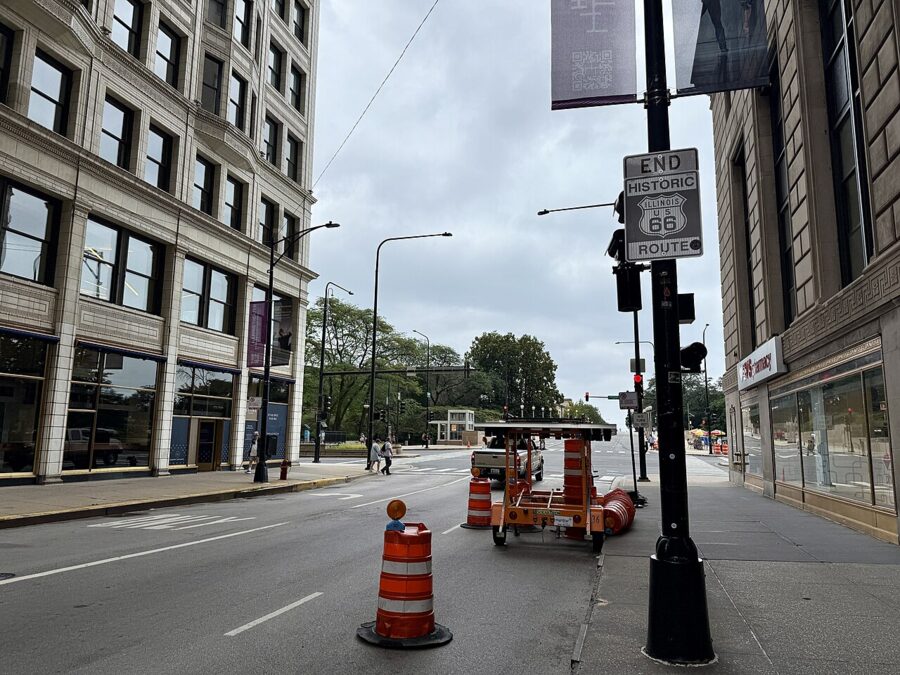
The sign is on Adams because of traffic engineering, not romance. When the road was commissioned in 1926 it began at Jackson Boulevard and Michigan Avenue, and in the late 1930s it was pushed two blocks east along Jackson, past Buckingham Fountain, to Lake Shore Drive. In 1955 Jackson became permanently one-way eastbound and the westbound lanes moved a block north to Adams. The End sign stands on eastbound Jackson for anyone finishing the drive from California.
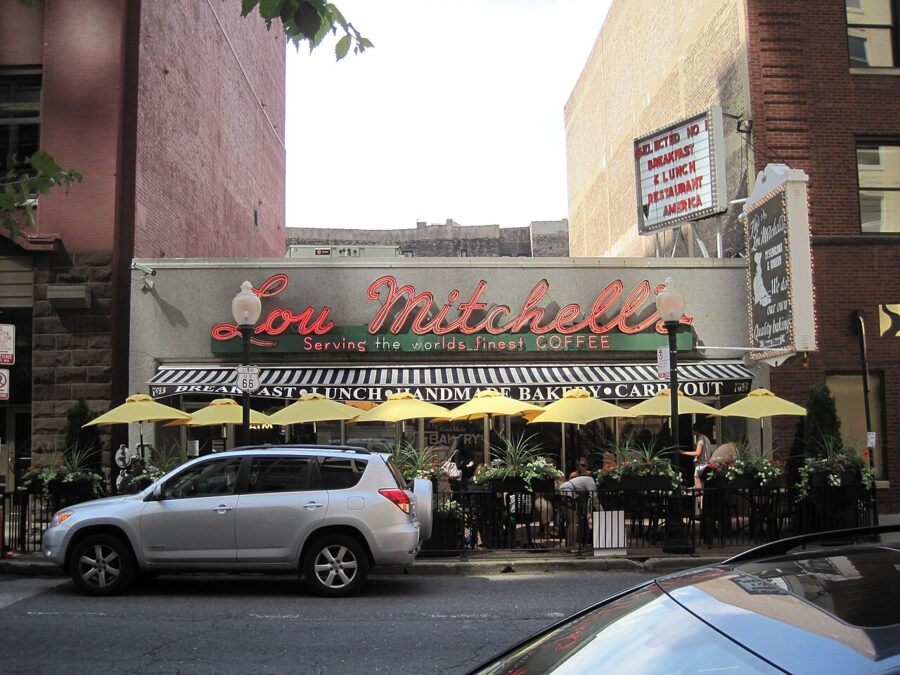
The other half of the ritual is breakfast. Lou Mitchell’s has served it on Jackson Boulevard, just west of the river, since 1923, under a neon sign promising the world’s finest coffee; donut holes arrive while you wait, a habit since 1958. As of November 2026 it opens Wednesday to Friday at 6 a.m. and weekends at 7, closes at 2 p.m., and is closed Monday and Tuesday, which matters if you planned a Monday departure.
Why Chicago works as a road-trip city
Chicago sits where the old roads met: Route 66 heading southwest, the Lincoln Highway and later I-80 heading west, US 41 running along the lake. The city is a grid you can learn in an afternoon, with addresses counted from State and Madison, so 800 West is about a mile from the center and 1600 North about two.
The car is the best way to reach the lakefront drives, the neighborhoods and the first hundred miles of Route 66. It is the worst way to see the Loop, where garages charge by the hour and meters cost more than a sandwich. My advice: arrive, park once for two or three days, walk and take the L, and pick the car up the morning you leave.
If you are renting, that shapes the plan too. A downtown pickup on departure morning saves nights of garage fees, though small city branches carry fewer cars than O’Hare and Midway. For a one-way Route 66 rental, check the drop-off fee to Los Angeles before you book anything else.
The Loop and the lakefront
Everything here is within a 25-minute walk of the Begin sign. A sensible first day is the Art Institute in the morning, Millennium Park and the Riverwalk at lunch, the architecture cruise in the afternoon, and Navy Pier at dusk.
| Stop | Time to allow | Cost (as of November 2026) |
|---|---|---|
| Route 66 Begin and End signs | 15 minutes | Free |
| Millennium Park and Cloud Gate | 45 minutes | Free |
| Art Institute of Chicago | 2 to 4 hours | $32 adults from out of state |
| Chicago Riverwalk | 1 hour | Free |
| Architecture river cruise | 2 hours with boarding | From $57 |
| Navy Pier | 1 to 2 hours | Free; garage from $21 |
Millennium Park and Cloud Gate
Millennium Park, four blocks north of the Begin sign, is free and open daily from 6 a.m. to 11 p.m. The sculpture everyone calls the Bean is Anish Kapoor’s Cloud Gate: 168 stainless steel plates welded into one 110-ton shape, 33 feet high and 66 long. Its plaza was fenced for renovation for about a year and reopened in June 2024.
Go early. At 7 a.m. the plaza belongs to joggers and to the crew who wipe the lower six feet by hand, twice a day. By noon on a summer Saturday you will be in four hundred other people’s photographs.
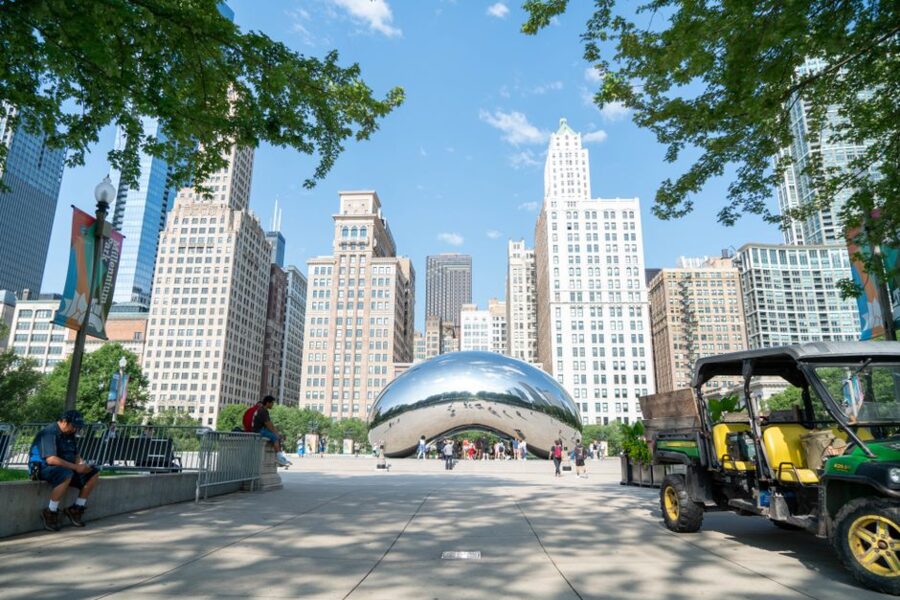
Three city-run garages serve the park: Grant Park North at 25 North Michigan, Grant Park South at 325 South Michigan, and the Millennium Park and Lakeside garages at 5 South Columbus. Rates change with the day and the events, and booking ahead beats the drive-up price. For the Route 66 signs use Grant Park South, whose ramps sit in the middle of Michigan between Jackson and Van Buren.
The Art Institute of Chicago
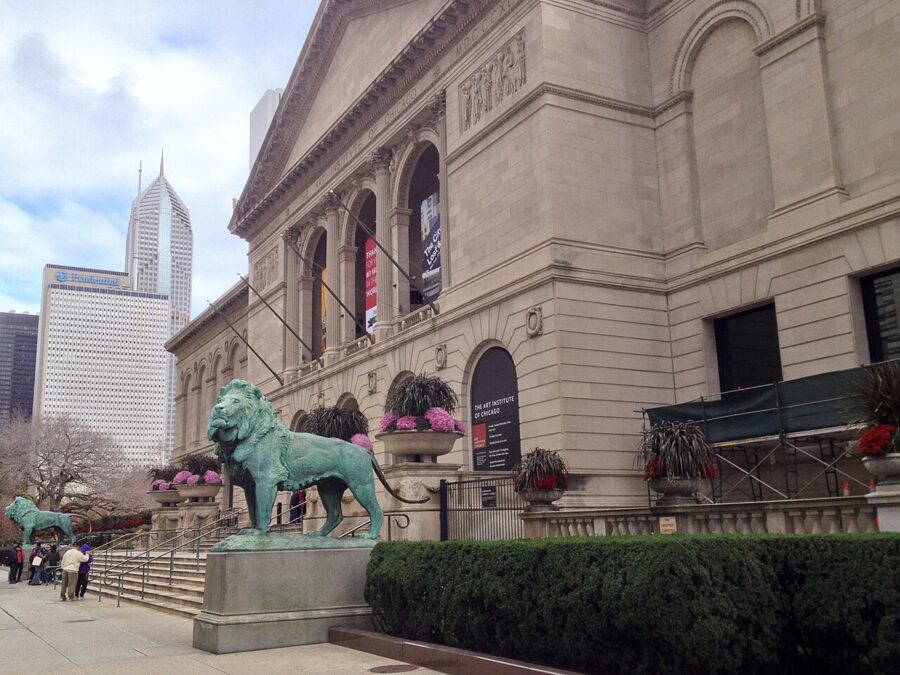
The Art Institute at 111 South Michigan is the building the Begin sign faces, and it would be worth the stop if Route 66 had started in Cleveland. As of November 2026 it opens 11 to 5 every day except Tuesday, and until 8 on Thursdays. Adults from out of state pay $32, Illinois residents $27, Chicago residents $20, and children under 14 nothing.
Allow two hours at least. People ask at the desk for Grant Wood’s American Gothic and Edward Hopper’s Nighthawks, the late-night diner every road-trip mood board borrows. Members get the first hour each day, so everyone else starts at 11.
The Chicago Riverwalk
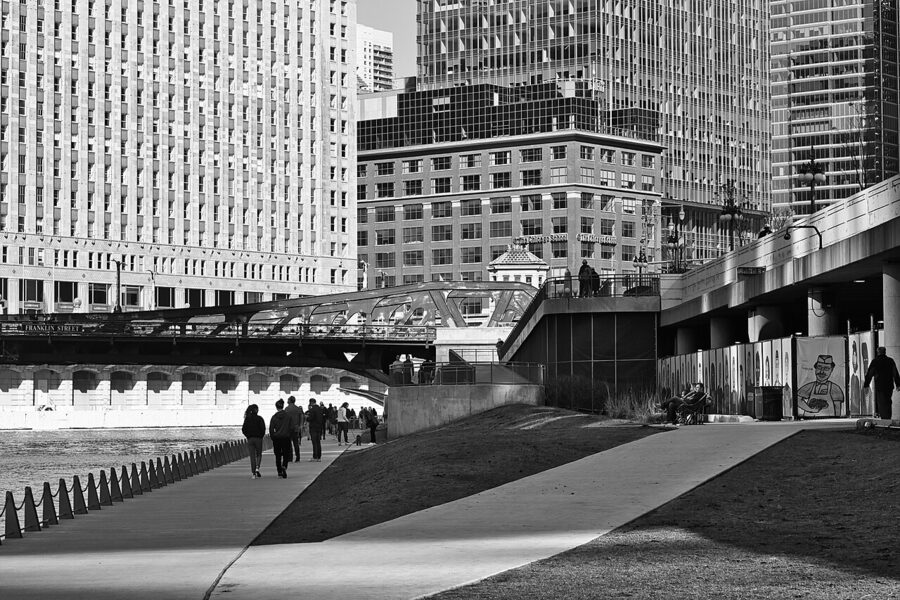
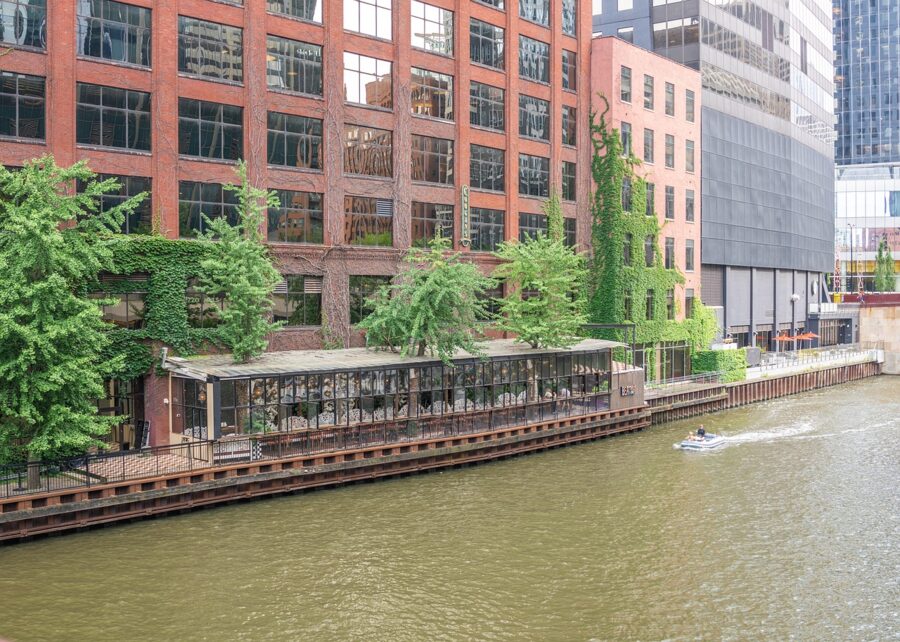
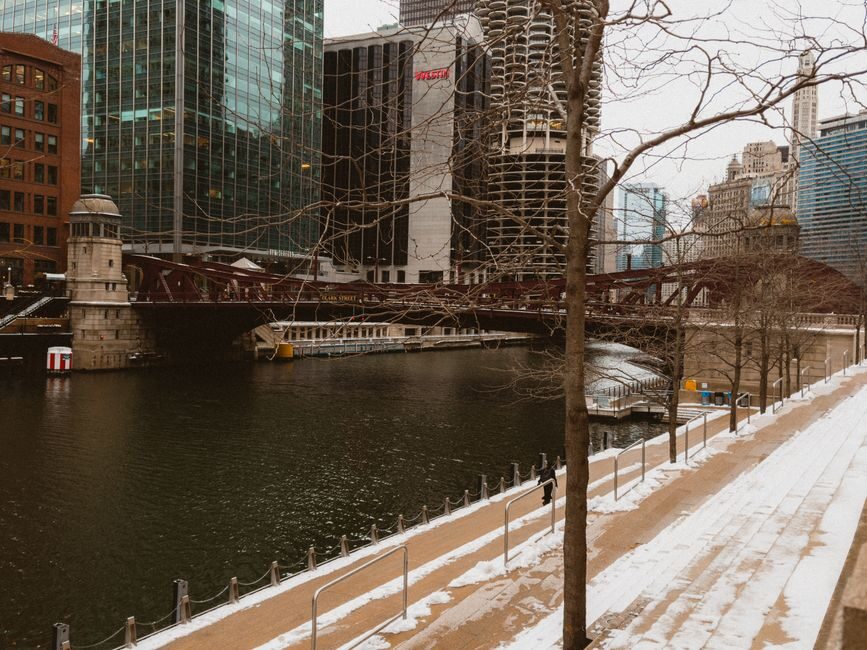
The Riverwalk runs 1.25 miles along the main branch of the Chicago River, from Lake Street to the lakefront, one level below Wacker Drive. It is free and open 6 a.m. to 11 p.m. In summer it fills with cafe tables and people eating lunch with their feet over the water; in January it is a quiet, windy place to look at bridges.
The architecture river cruise
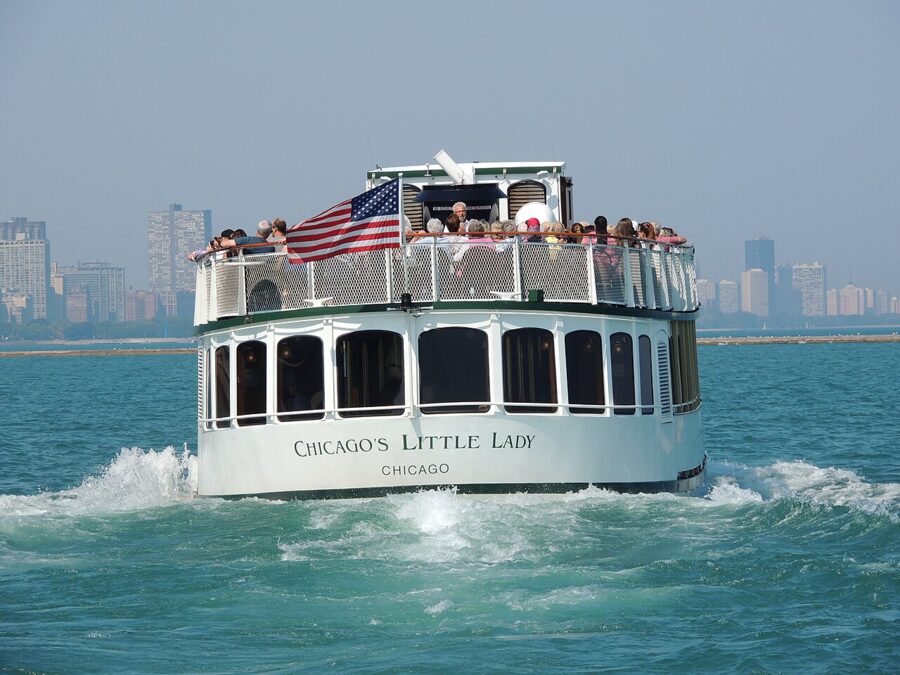
If you do one paid thing in Chicago, make it the Chicago Architecture Center river cruise, 90 minutes on First Lady boats with volunteer docents. Tickets start at $57 as of 2026, with no senior rates and no refunds if you miss the boat. The dock is at the southeast corner of the Michigan Avenue Bridge; put 112 East Wacker Drive in the GPS, look for the black awning, and arrive 30 minutes early.
Sailings normally run daily March through November. For 2026 the season runs to December 20, with Friday to Sunday departures and a heated cabin from November 28. Get your parking validated for up to four hours at the 111 East Wacker garage, the best parking deal downtown.
Navy Pier and the new Route 66 start
Navy Pier runs out into Lake Michigan at the end of Grand Avenue, and since March 25, 2026 it has held the city’s ceremonial Route 66 sign, outside Harry Caray’s Tavern. You can get a Route 66 passport stamped at Harry Caray’s and buy the passport at the pier’s Route 66 store. The pier is free to walk; the Centennial Wheel, nearly 200 feet high with enclosed gondolas, is the ride worth paying for.
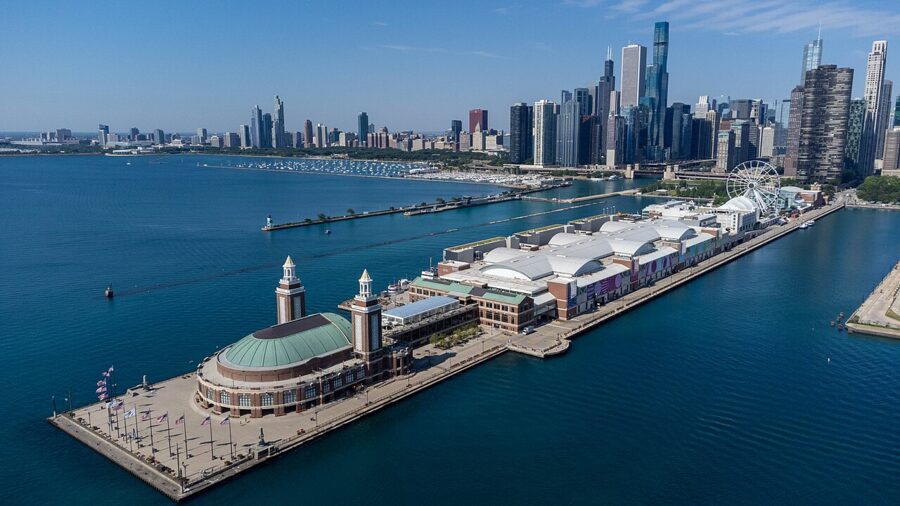
As of November 2026 the pier’s garages charge $21 for under an hour, $35 for up to two hours and $47 for four to twelve. Check your roof: the West Garage clears 6 feet 3 inches and the East Garage 7 feet 9, and trailers use the East Garage, where you press the assistance button before entering. Guest services validates 12 hours for $14 or $15 at four garages farther in, and there is no bus or motorcoach parking.
Willis Tower Skydeck
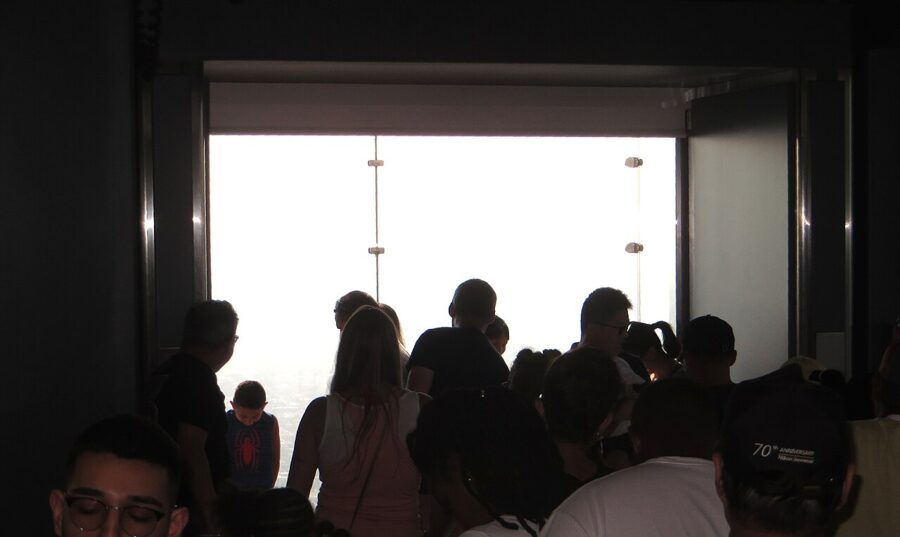
The Skydeck has been open on the 103rd floor of Willis Tower since June 1974, and the Ledge is four glass boxes that stick out about four feet from the building.
It is open every day, 9 a.m. to 8 p.m. from October through February. Check ticket prices before you go, and pick a clear evening, because the view on a cloudy one is the inside of a cloud.
Neighborhoods and museums beyond the Loop
The Loop is where Chicago works; the neighborhoods are where it lives, and where a car earns its keep. Street parking out here costs $2.50 an hour rather than $7, and several of the best stops are free.
Lincoln Park
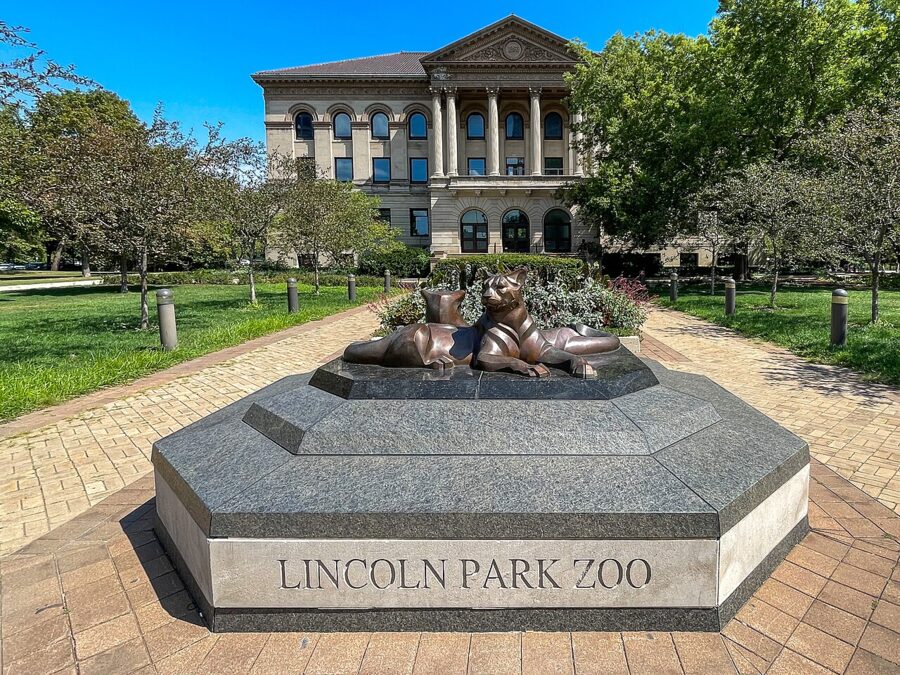
A few miles north along the lake, Lincoln Park Zoo is free and open every day of the year, with gates opening at 10 a.m. Give it an hour and a half, then drive a few minutes west for deep dish at Pequod’s on Clybourn Avenue.
Wicker Park and the 606
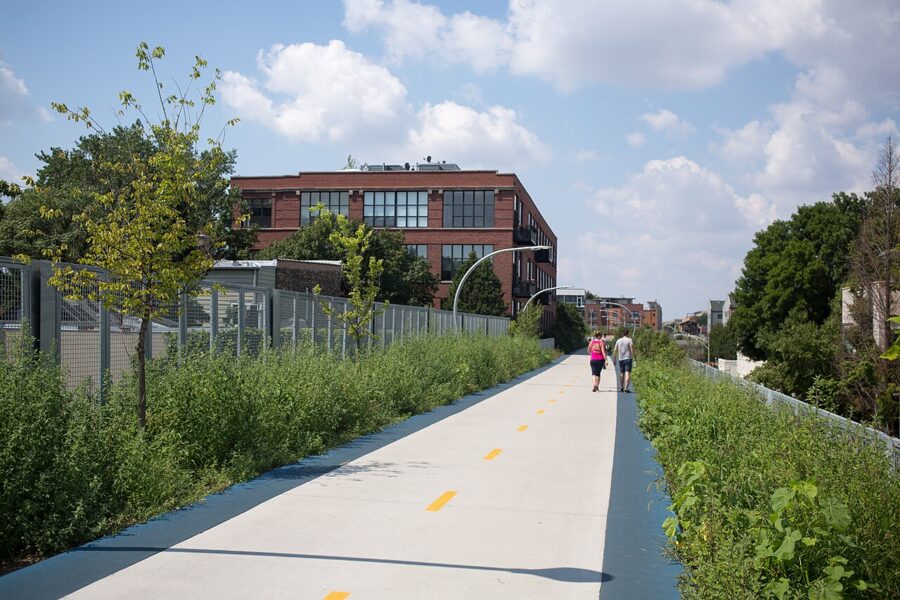
Wicker Park, where Milwaukee, North and Damen avenues meet, is record shops, bars and old three-flats. The 606, a former rail line raised above the streets and turned into the Bloomingdale Trail, runs along its northern edge, open daily from 6 a.m. to 11 p.m. A mile of it in the morning shows you more of how Chicagoans live than a week downtown.
Pilsen
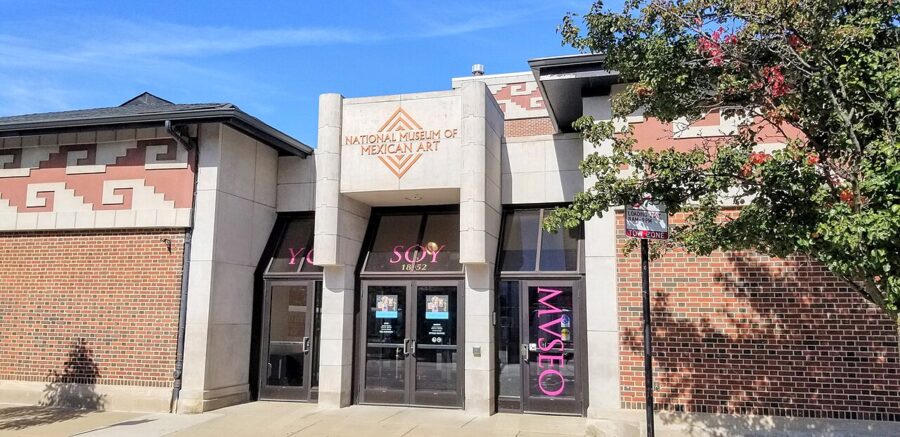
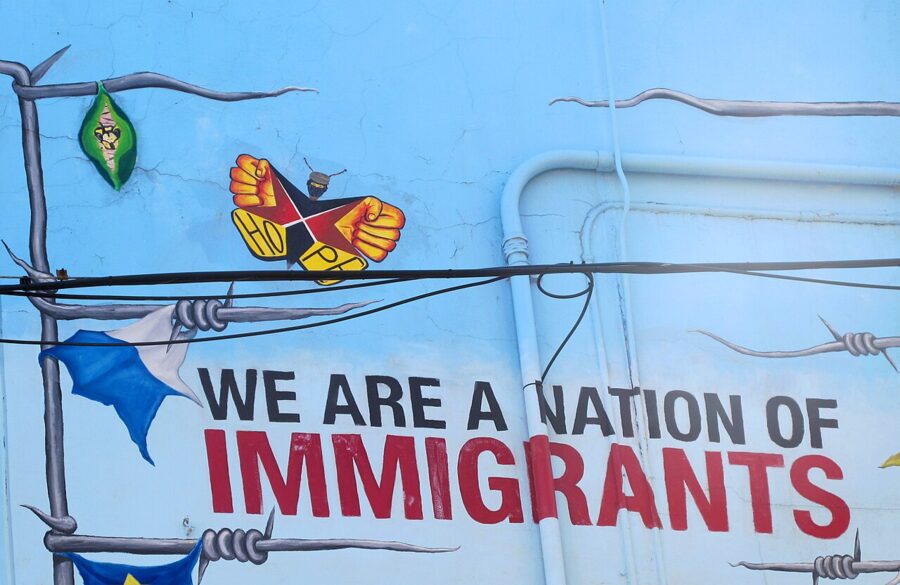
Pilsen, southwest of the Loop around 18th Street, has been the heart of Mexican Chicago for decades, and its walls show it. The National Museum of Mexican Art is always free, open Tuesday to Sunday from 10 a.m. to 5 p.m., and until 8 on the first Wednesday of the month. Its Day of the Dead ofrendas are the reason to come in the fall.
Hyde Park and the Museum of Science and Industry
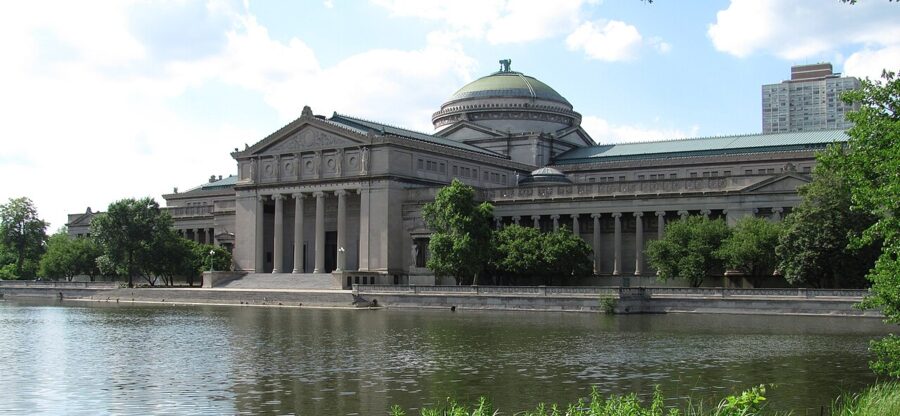
Hyde Park is the best excuse to drive Lake Shore Drive south. The museum, now signed as the Griffin Museum of Science and Industry, fills the 1893 world’s fair’s Palace of Fine Arts in Jackson Park and can take a whole day. General admission covers most permanent exhibits; the U-505 submarine tour, the coal mine and the dome theater cost extra, and so does parking.
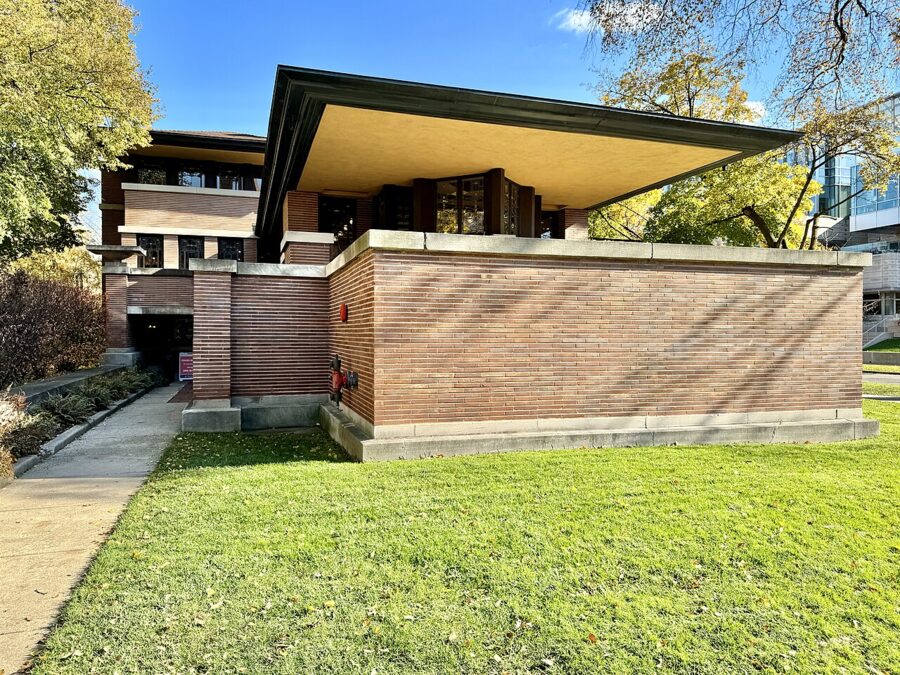
Under a mile west, at Woodlawn Avenue and 58th Street, is Frank Lloyd Wright’s Robie House, the long, low Prairie house of 1909 and 1910 that taught American houses to lie down. The Frank Lloyd Wright Trust runs the tours; book ahead.
What to eat in Chicago
Chicago’s road food is three things: deep dish pizza, an Italian beef, and a hot dog dragged through the garden. None of them is light, and none is meant to be eaten in the car, though the third comes close.
Deep dish
Deep dish is closer to a pie than a pizza and takes a long time to bake, so order early or reserve. Lou Malnati’s, founded in Lincolnwood in 1971, makes the buttery-crusted classic at branches all over the city. Giordano’s makes the stuffed version, with a second crust over the cheese.
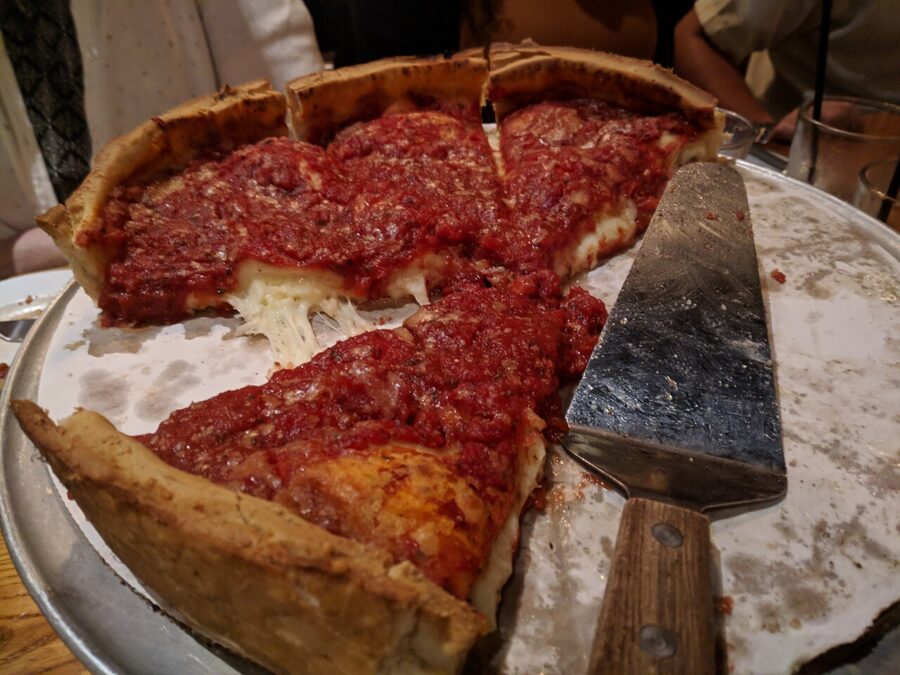
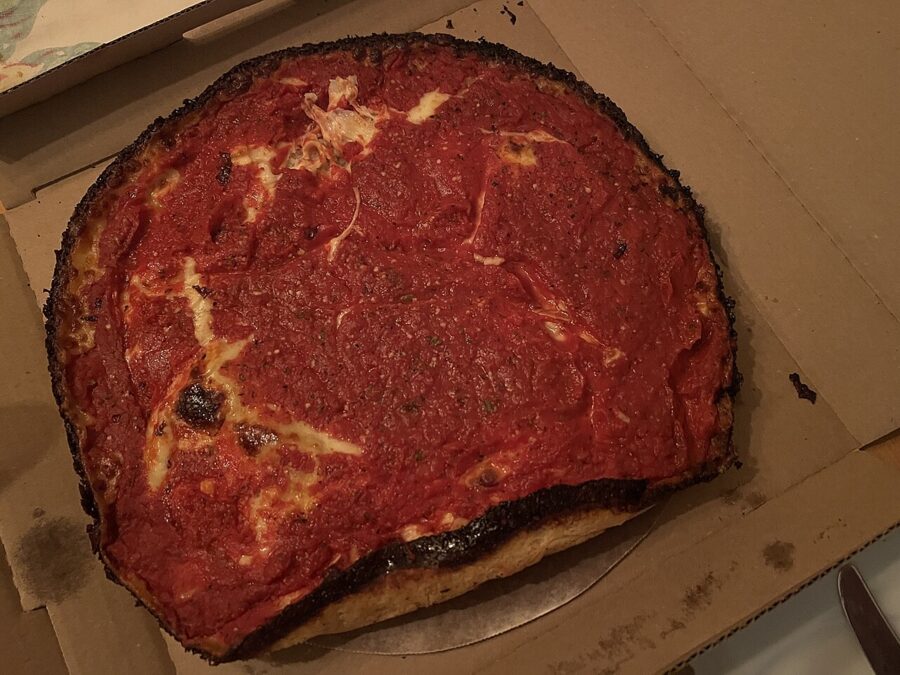
Pequod’s is the one locals argue about. It bakes in cast-iron pans, and the cheese at the edge caramelizes into a black, crisp rim. The original opened in Morton Grove in 1971; the Chicago branch at 2207 North Clybourn is open until 2 a.m. Monday to Saturday and midnight on Sunday, and reservations are strongly recommended.
Italian beef
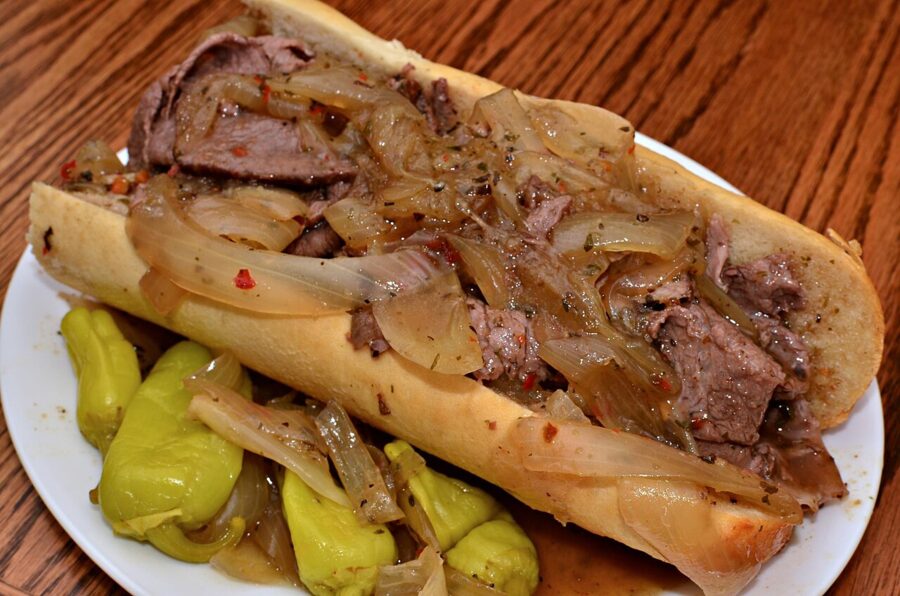
An Italian beef is thin-sliced roast beef soaked in its juice on a French roll, topped with hot giardiniera or sweet peppers, and ordered “dipped” if you want the whole sandwich dunked. Al’s #1 Italian Beef has served it on Taylor Street since 1938.
The original Al’s at 1079 West Taylor opens 9 a.m. to 11 p.m. on weekdays and 10 to 11 on Saturdays, and is closed Sundays.
Hot dogs
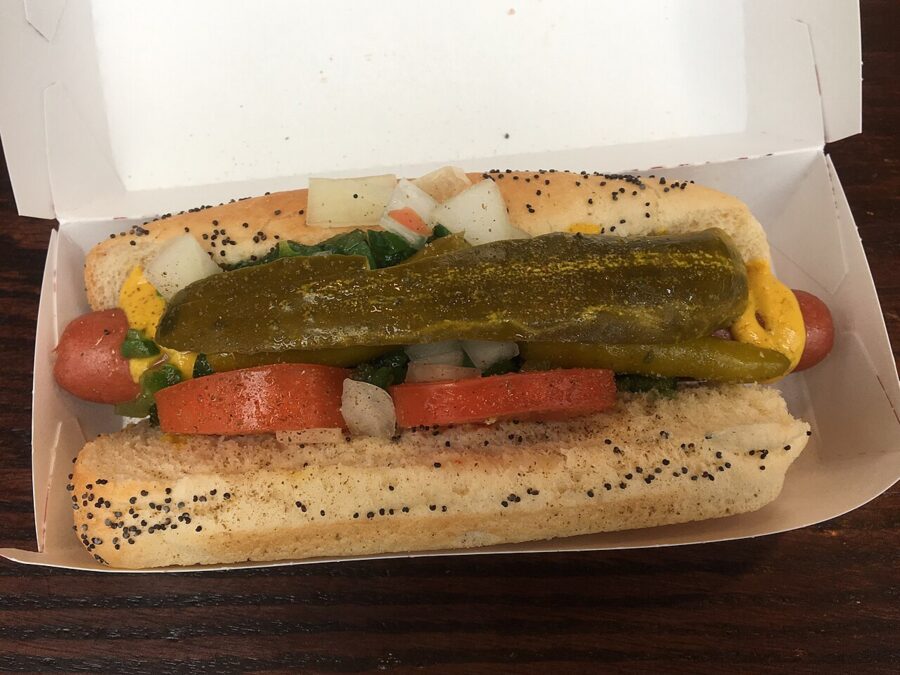
A Chicago hot dog is an all-beef frank on a poppy-seed bun with mustard, bright green relish, onion, tomato, a pickle spear, sport peppers and celery salt. Ketchup is not illegal, but people will look.
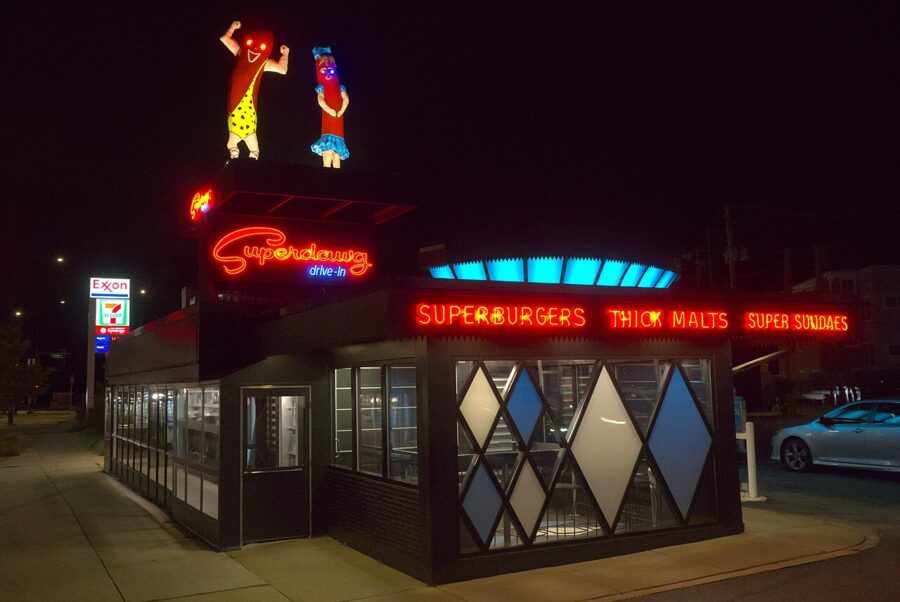
Superdawg, opened in May 1948 at Milwaukee and Devon, is still a drive-in at 6363 North Milwaukee Avenue, open until 1 a.m. most nights and 2 a.m. on Fridays and Saturdays.
For a hot dog on Route 66 itself, Lulu’s Hot Dogs has been at 1000 South Leavitt Street since 1968, near the road’s old path out of the city, with a Route 66 mural on the wall. It is open 11 to 9 on weekdays and 11 to 4 on weekends.
Driving and parking in Chicago (as of 2026)
None of this is complicated, but all of it is expensive if you guess. Pay for street parking with the official app, book garages ahead, sort out tolls before you touch a tollway, and stay off the expressways during the weekday rush.
Street parking and the meters
Chicago’s meters run 365 days a year unless posted otherwise. As of November 2026 the rates are $7 an hour in the Loop from 8 a.m. to 9 p.m. ($3.50 overnight), $4.75 in the rest of downtown and the West Loop, and $2.50 in most neighborhoods.
The ParkChicago app adds a 35-cent fee to sessions under two hours, and the city warns that neither the app nor the pay boxes use QR codes, so a QR sticker on a meter is a scam.
Is street parking free on weekends? In the Loop, no. Some neighborhood spaces are free on Sundays, but the pay box or the app will tell you, and street-cleaning and permit signs on the block override everything.
Garages, apps and the hotel bill
Garages are where the money goes. Apps such as SpotHero and ParkWhiz let you compare and book downtown garages ahead, usually below the drive-up rate; one Grant Park hotel quotes $25 to $80 a day at the garages around it. In-and-out privileges depend on the garage. On top of it all the city adds a 23.25 percent parking tax on daily stays, in force since January 2025.
Hotel parking is priced like a second room. As of 2026 the Chicago Athletic Association hotel on Michigan Avenue charges $84 a night for valet with unlimited in and out, and the Sable Hotel at Navy Pier lists overnight valet at $76. A reserved garage a few blocks away often costs far less.
Tolls: I-PASS, Pay By Plate and the Skyway
The Illinois Tollway has no cash booths. In 2026 an I-PASS or E-ZPass transponder pays half what drivers without one pay online: at the Devon Avenue plaza on I-90, $0.75 against $1.50 for a car. Without a transponder, including in a rental car that has none, use Pay By Plate, entering the plate, a card and your dates within 14 days of your first toll to avoid fines and fees.
Rates rise on January 1, 2027, with three prices per plaza: I-PASS, Pay By Plate at one and a half times that, and Pay By Invoice at double. Devon Avenue becomes $1.20, $1.80 and $2.40.
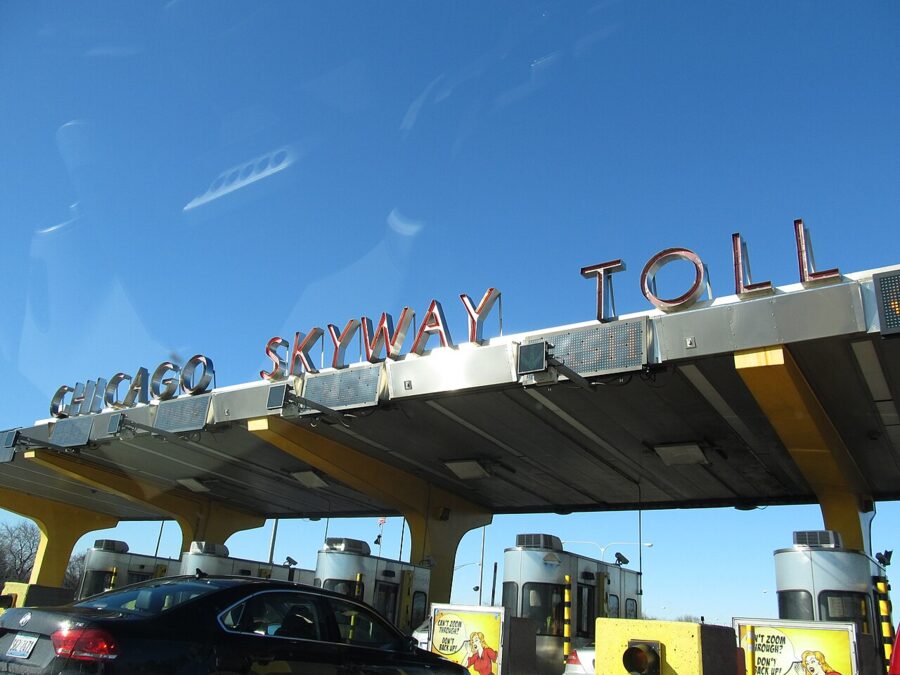
The Chicago Skyway, the high bridge on I-90 toward Indiana, still has a toll plaza. A car pays $8.10 as of 2026 and $8.50 from January 1, 2027; cash lanes on the right take US bills up to $100, cards work in every lane, and E-ZPass and I-PASS lanes are on the left. Miss it and you have seven days to pay before fees of more than $40 start.
Lake Shore Drive
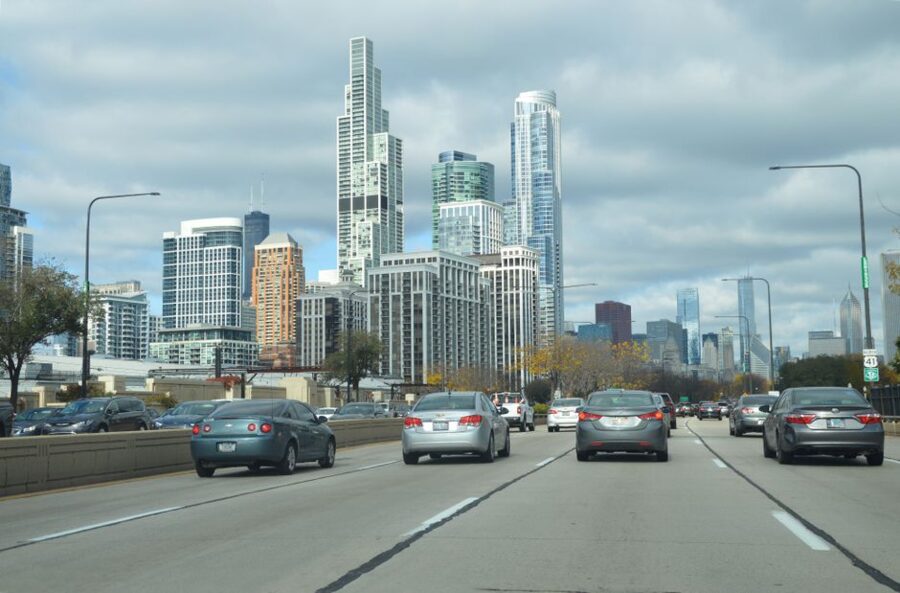
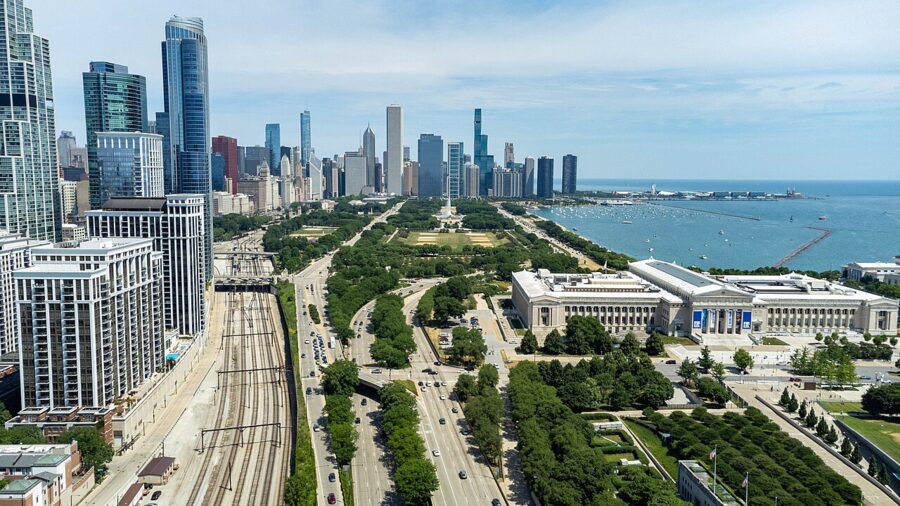
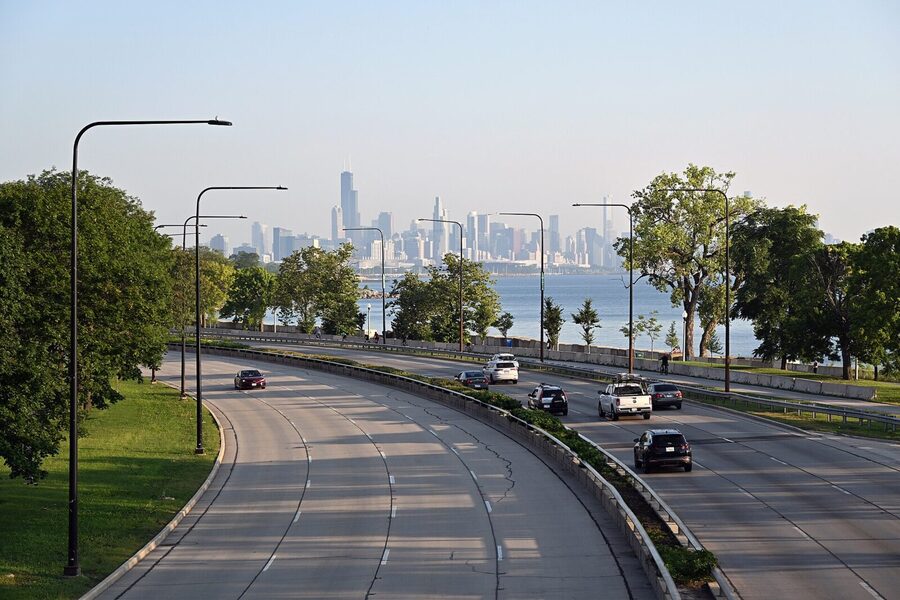
The lakefront road is officially Jean Baptiste Point DuSable Lake Shore Drive, renamed in 2021, and most of it carries US 41. It runs from Hollywood Avenue on the North Side to Jackson Park on the South Side, lake on one side and skyline on the other, and it is the one city road in America I would drive for its own sake. Trucks are banned except on a short stretch between I-55 and 31st Street; if you are towing, read the posted restrictions first.
When to come, and how long to stay
Chicago’s weather has two settings and a short commute between them. By the 1991–2020 normals at O’Hare, January averages a high of 32°F and a low of 19°F, July a high of 85°F and a low of 66°F, and the city gets about 38 inches of snow a year. Near the lake it is cooler in summer, and on some spring days the shoreline runs 20 to 30 degrees colder than the suburbs, so pack a jacket in May.
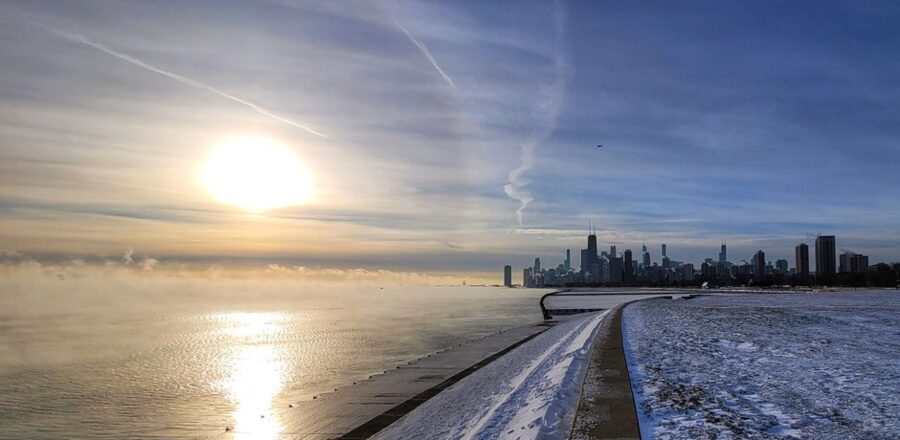
The nickname, by most accounts, was about Chicago’s bragging before it was about the weather, but the wind is real, averaging 8 miles an hour in summer and 12 in spring, and it funnels between the towers along the river. Late spring to early fall is lakefront season. Winter is cheaper and quieter, the museums are warm, and the lakefront is beautiful in a way that makes your ears hurt.
How many days? One full day covers the signs, Lou Mitchell’s, Millennium Park, the Art Institute and the river cruise, which is what most people do before driving Route 66. Three days is right for a first visit: the Loop, then the neighborhoods and Hyde Park, then a lakefront drive or the museum you skipped. With only one day, do the cruise; it shows the most city per minute.
The roads out of town
There are three good ways to leave Chicago: down Route 66, around the bottom of the lake to Indiana, or up the shore to Wisconsin. If you are going west for good, I-80 leaves from here too, across Iowa and Nebraska on the long way to Denver.
Route 66 south: Joliet to Pontiac
Westbound Route 66 follows Adams out of the Loop, then Ogden Avenue diagonally southwest through Cicero and Berwyn toward Lyons and Joliet. The Illinois stretch is 301 miles, and the first hundred are the most crowded with reasons to stop. Plan a full day to Pontiac if you stop as often as you should.
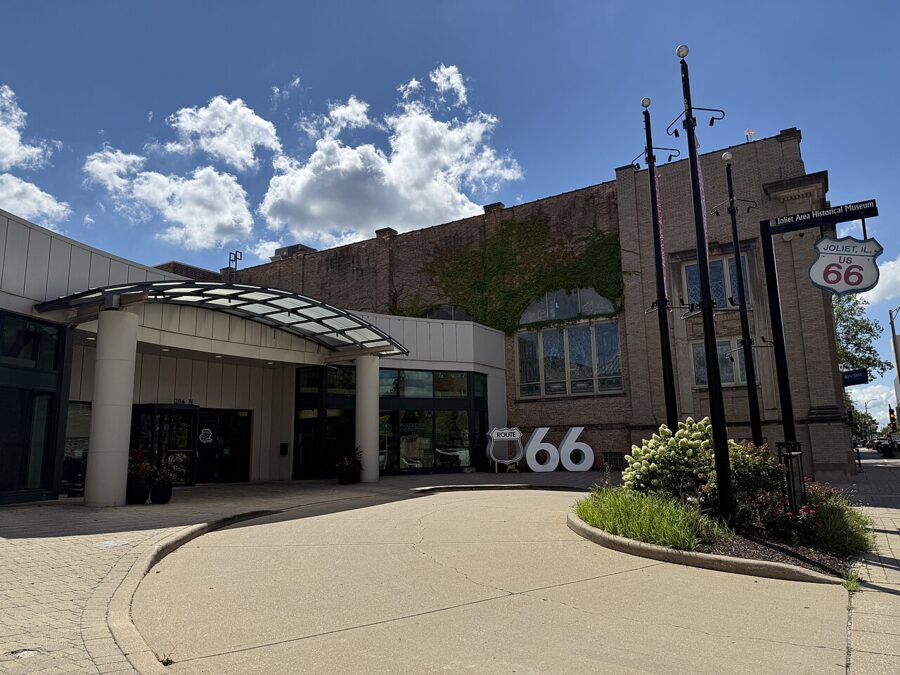
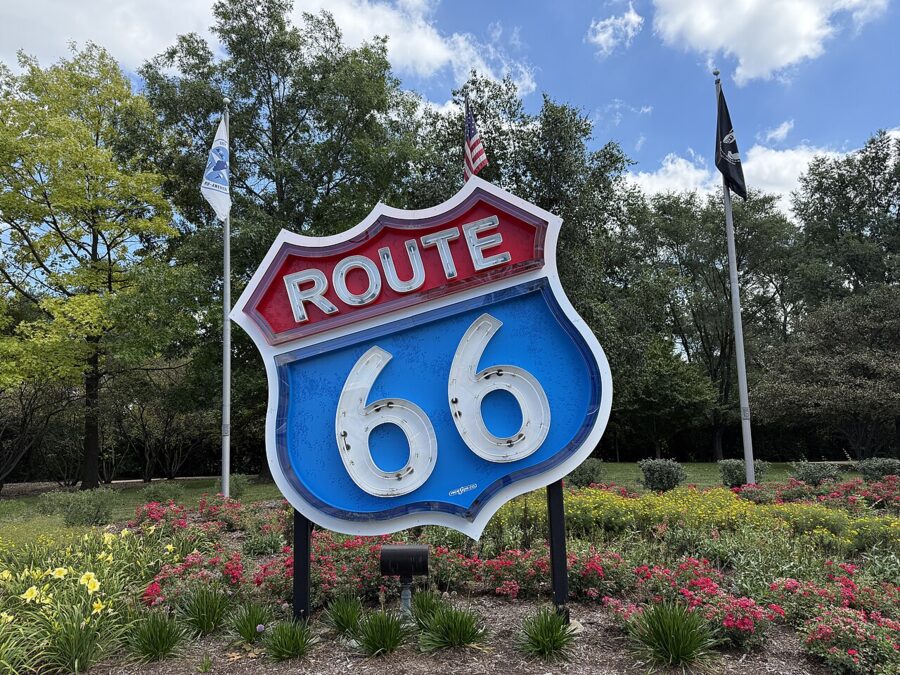
- Joliet, about 45 miles. The Joliet Area Historical Museum at 204 Ottawa Street holds a Route 66 welcome center, and Route 66 Park has the shield everyone photographs. Through town the old road is IL 53. An hour.
- Elwood. Blues Brothers statues. Ten minutes.
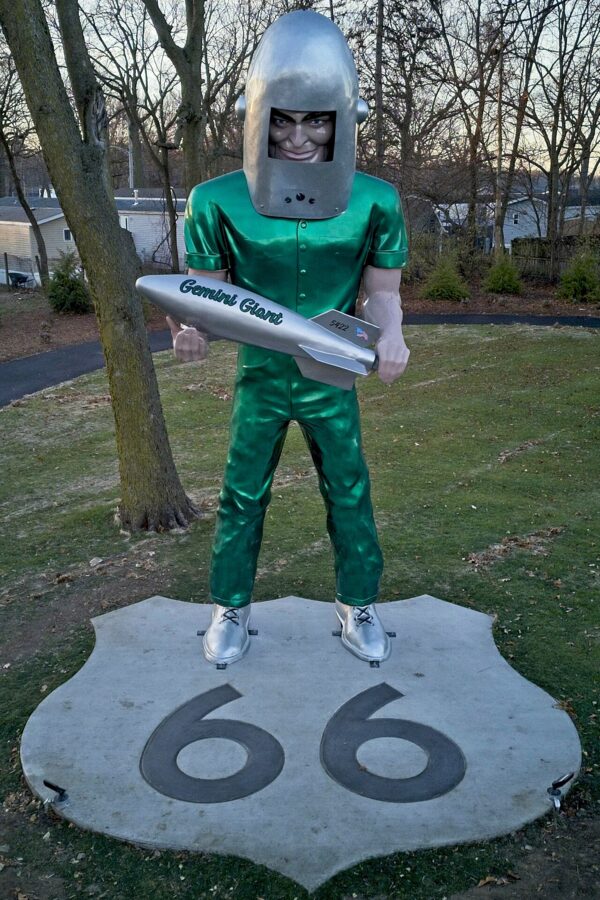
- Wilmington. The Gemini Giant, a 30-foot fiberglass spaceman put up at the Launching Pad restaurant in the 1960s, now stands in South Island Park with its own gift shop. Twenty minutes.
- Braidwood and Gardner. The Polk-a-Dot Drive In and Gardner’s two-cell jail. Half an hour.
- Dwight and Odell. Ambler’s Texaco and the restored Standard Oil station, two of the best-kept old gas stations on the road. Fifteen minutes each.
- Pontiac, about 100 miles. Twenty Walldog murals on the downtown buildings. Stay the night or push on to Springfield.
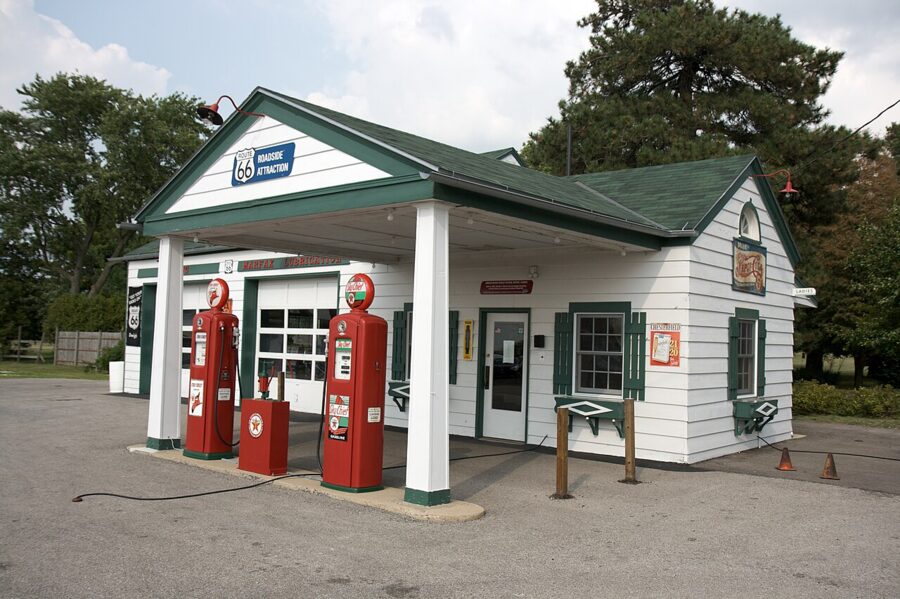
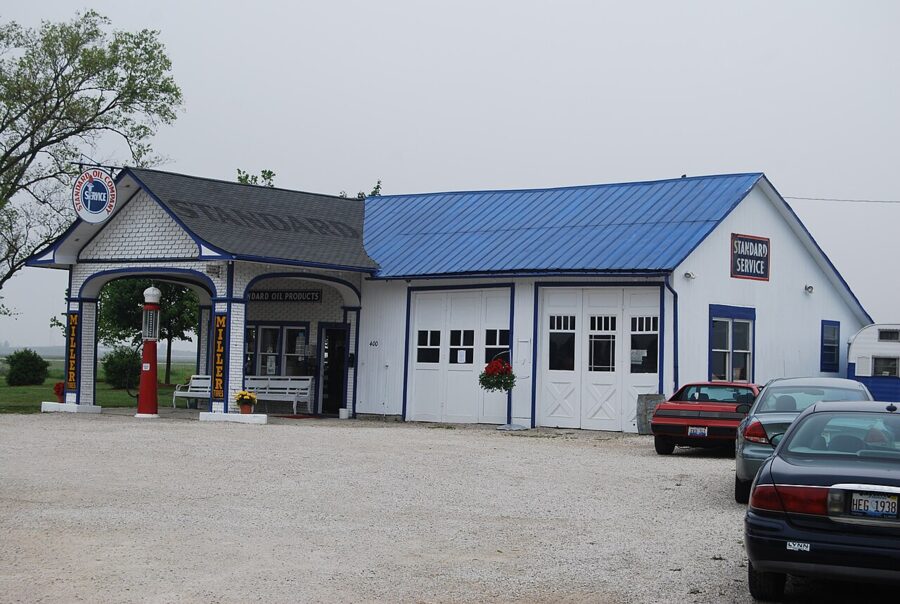
From Pontiac the old road runs on through Springfield and St. Louis, about 2,400 miles in all to Santa Monica, where the pier at the end sits on the Pacific Coast Highway.
South around the lake: Indiana Dunes
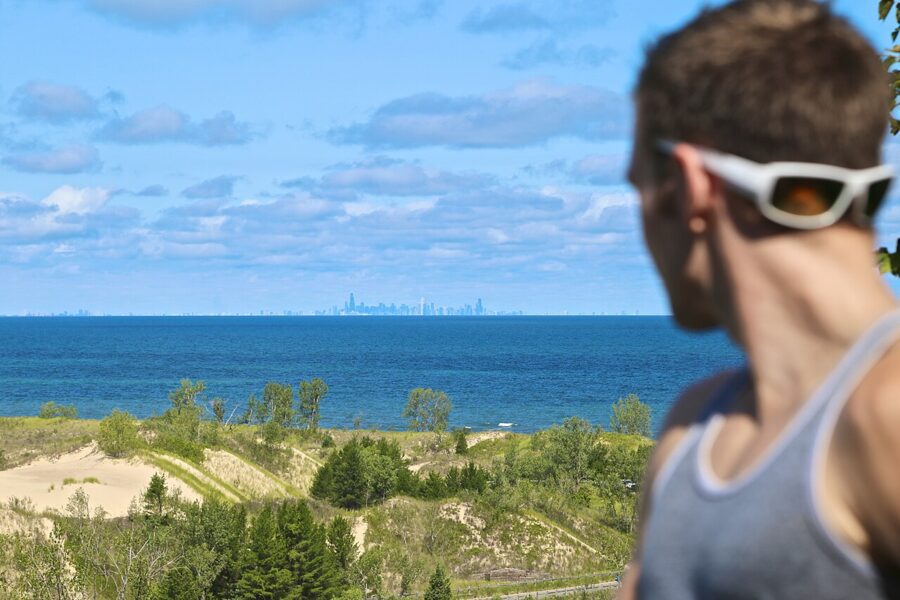
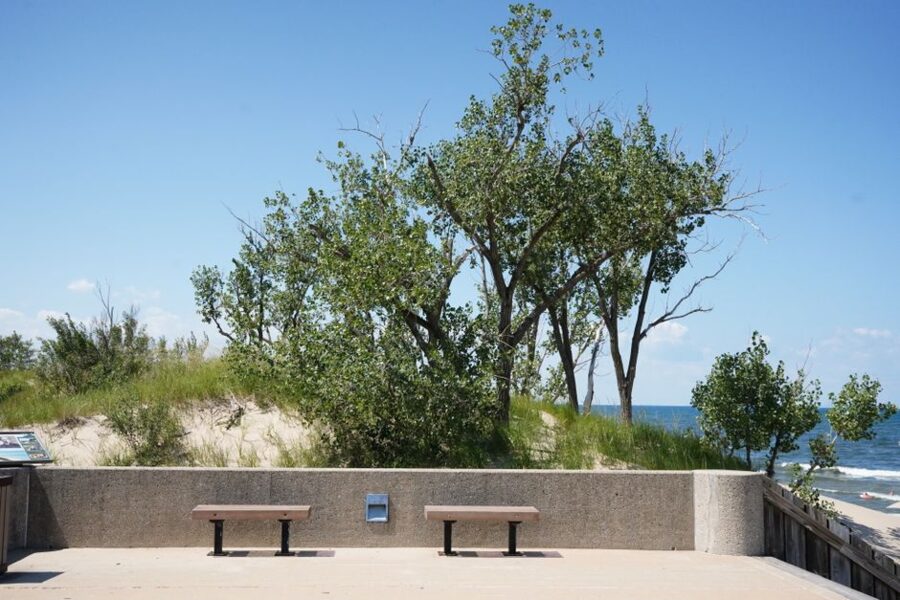
Indiana Dunes National Park is about an hour from the Loop by the Skyway or I-94, and it is the best half day out of Chicago. As of 2026 a private vehicle pays $25 for a seven-day pass, and the West Beach entrance station collects it in summer. The West Beach dune climb is steep, sandy and short, and from the top you can see the skyline across the water.
North along the shore: to Wisconsin
Going north, take Lake Shore Drive to its end at Hollywood Avenue and then Sheridan Road, which follows the lake through Evanston and the North Shore suburbs past big lawns and ravines. It is slow, curving and lovely. Milwaukee is about 90 miles from the Loop; take Sheridan as far as your patience lasts and the interstate for the rest.
Whichever way you go, start the morning on Adams Street. Get there by seven, take the photo, eat breakfast on Jackson, and pull out onto the westbound lanes while the Art Institute’s lions are still in shadow.